
Logo design and branding are not the same. A logo is a visual symbol that helps people recognise your business, while branding is the overall experience customers have with your company. Branding includes your logo, but it also covers your brand identity, messaging, visual style and how people perceive your business. Understanding the difference helps you invest in the right solution instead of expecting a logo alone to build a memorable brand.
One of the most common requests designers receive is:
"I think my business needs a new logo."However, after asking a few questions, the real issue often isn't the logo itself. Many businesses struggle because customers don't recognise their brand, their marketing looks inconsistent, or they find it difficult to stand out from competitors. Changing the logo alone rarely solves these problems.
This is one of the biggest misconceptions in branding. While the terms logo design and branding are often used interchangeably, they serve completely different purposes.
A logo is only one part of a much bigger picture. Branding shapes how people remember your business, what they feel when they interact with it and whether they trust you enough to become customers.
If your business is growing, launching a new company or considering a rebrand, understanding the difference between logo design and branding will help you make better marketing decisions and avoid investing in the wrong solution.
In this guide, we'll explain what a logo does, what branding actually means, how they work together and how to decide which one your business needs.
What Is a Logo?
A logo is a visual identifier that represents your business. Its primary purpose is to help customers recognise and remember your brand. While a logo is an important part of your business identity, it is only one element of a complete branding strategy.
Many people think a logo is the same as a brand, but that's a common misconception.
A logo is simply the visual mark people associate with your business. It may consist of a symbol, a wordmark, a combination of both or another recognisable graphic element. Whether it's displayed on your website, business card, product packaging or social media profile, the logo acts as a consistent identifier across every customer touchpoint.
A well-designed logo should be:
- Memorable
- Simple and easy to recognise
- Relevant to your business
- Scalable across different sizes and platforms
- Timeless rather than following short-term design trends
Think of a logo as your business's signature. It helps people identify who you are, but it doesn't tell the whole story about what your business stands for.
For example, seeing the Nike swoosh or Apple's apple icon immediately tells you which company you're looking at. However, the trust, quality and emotions associated with those brands come from years of consistent branding—not from the logo alone.
A logo creates recognition. Branding creates meaning.What Is Branding?

Branding is the overall impression people have of your business. It goes beyond your logo and includes your brand identity, messaging, visual style, customer experience and the emotions people associate with your company. While a logo helps customers recognise your business, branding influences whether they remember it, trust it and choose it over competitors.
Many people assume branding is simply choosing a logo, colour palette and font.
In reality, branding is much broader than visual design.
Branding shapes how your business is perceived every time someone visits your website, follows your social media, receives your packaging or interacts with your team. Every touchpoint contributes to the overall impression customers form about your business.
This is why two companies can offer similar products at similar prices, yet one feels more trustworthy, more professional or more memorable than the other. That difference is branding.
A strong brand creates consistency across every customer interaction. Instead of sending mixed messages, it presents a clear identity that helps customers understand who you are, what you stand for and why they should choose your business.
Branding often includes:
- Brand strategy & positioning
- Brand messaging & tone of voice
- Logo design & visual identity
- Colour palette & typography
- Website design & social media style
- Marketing materials & packaging design
- Customer experience touchpoints
Together, these elements create a recognisable and consistent brand that customers can connect with over time.
Rather than asking customers to remember only a logo, effective branding gives them something much more valuable—a reason to trust your business.
A logo helps people recognise your business. Branding gives them a reason to choose it.Logo Design vs Branding: What's the Difference?
Logo design is one part of branding—not the entire brand. A logo helps customers identify your business, while branding defines how your business is perceived. Branding combines strategy, messaging, visual identity and customer experience to create a consistent and memorable brand.
Although the terms are often used interchangeably, logo design and branding serve different purposes.
A logo is a visual asset. Branding is the complete experience surrounding your business.
Think of it this way:
If your business were a person, the logo would be its face. Branding would be its personality, voice, values and reputation.That's why businesses with excellent branding often remain memorable even when their logo is relatively simple.
Logo Design vs Branding Comparison
| Feature | Logo Design | Branding |
|---|---|---|
| Definition | A visual symbol or identifier | The complete business identity |
| Core Function | Helps customers recognise your business | Shapes how customers perceive your business |
| Scope | Focuses on graphic design | Combines strategy, design and communication |
| Role | One part of brand identity | Includes every customer touchpoint |
| Execution | Can be created independently | Requires long-term consistency |
| Business Value | Supports recognition | Builds trust, loyalty and brand value |
Both are important. However, they achieve different objectives.
A professionally designed logo helps customers recognise your business quickly. Strong branding ensures they remember your business long after the first interaction.
Without branding, even an attractive logo has limited impact because customers have no clear understanding of what your business represents. Without a logo, branding lacks a consistent visual identifier that helps people recognise your business across different platforms.
Key Takeaway
The strongest businesses combine both—a memorable logo supported by a consistent branding strategy. Never expect a standalone graphic logo to perform the heavy lifting of customer trust, positioning, and long-term brand equity on its own.
Why a Logo Alone Isn't Enough
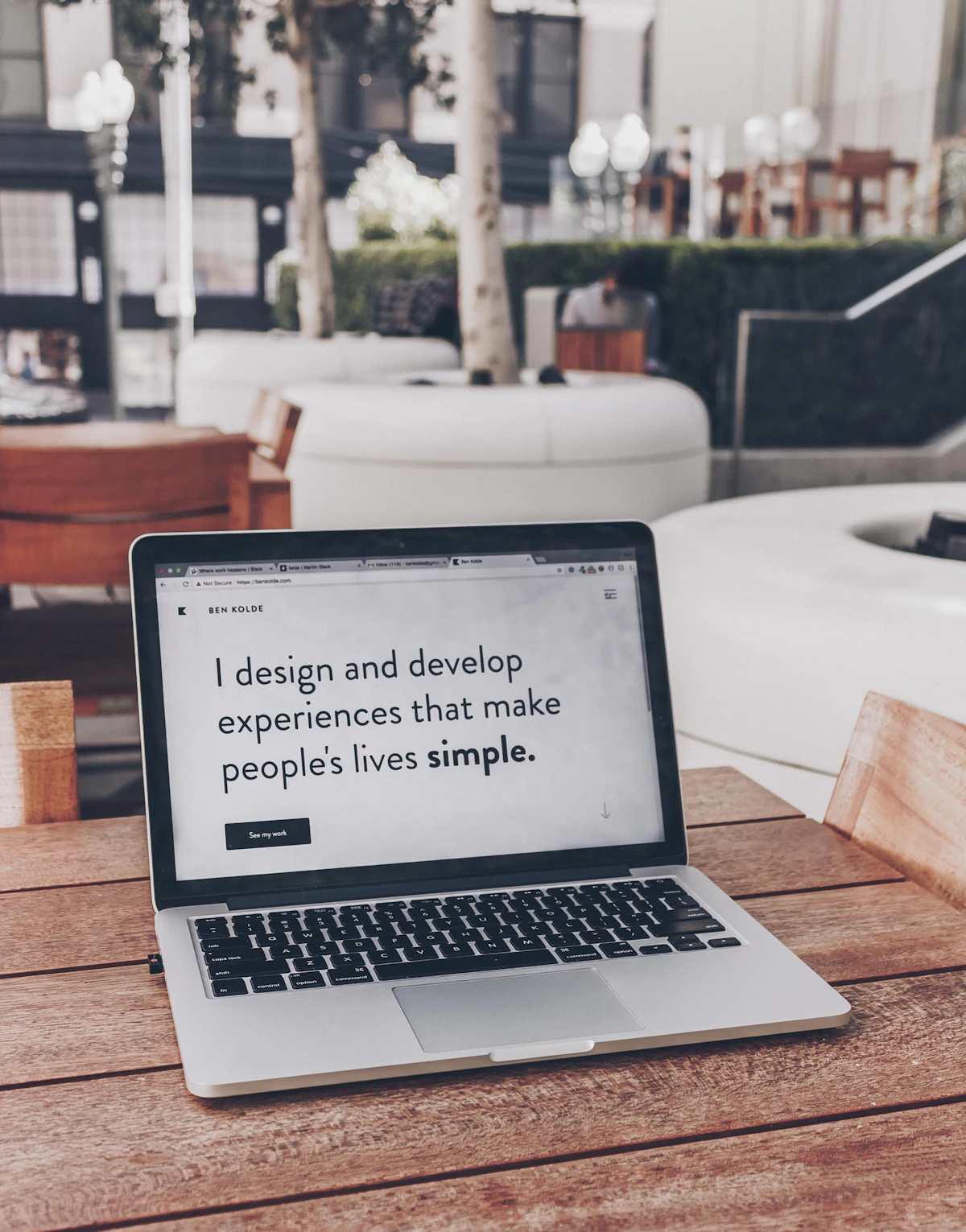
A professionally designed logo can improve recognition, but it won't solve deeper business challenges on its own. If your messaging is unclear, your branding is inconsistent or customers don't understand what makes your business different, changing your logo alone is unlikely to improve sales or build long-term trust.
Many business owners believe that redesigning their logo will automatically make their business look more professional or attract more customers.
While a fresh logo can modernise your visual identity, it rarely solves the underlying problems that prevent a business from growing.
For example, if your website looks outdated, your social media lacks consistency or your marketing communicates different messages across different platforms, customers may still struggle to understand who you are and why they should choose your business.
In these situations, the challenge isn't the logo itself—it's the overall branding.
Strong branding creates consistency across every customer touchpoint. Your website, social media, marketing materials, packaging and customer communication should all reinforce the same identity and message.
A logo attracts attention. Branding builds trust.Businesses that invest only in a new logo often expect immediate improvements in enquiries or sales. However, lasting results usually come from combining a strong visual identity with clear messaging, consistent marketing and a customer experience that reflects the values of the business.
Instead of asking: "Do I need a better logo?", a more valuable question is:
"Does my brand clearly communicate why customers should choose my business?"What Does Brand Identity Include?
Brand identity is the collection of visual and verbal elements that represent your business consistently across every customer touchpoint. While your logo is one part of your brand identity, it also includes colours, typography, imagery, messaging and other design elements that help customers instantly recognise your business.
Many people confuse brand identity with branding, but they're not exactly the same.
Branding is the overall perception people have of your business. Brand identity is the system of visual and communication elements that helps create that perception.
Think of brand identity as the toolkit that keeps your business looking and sounding consistent, whether someone visits your website, scrolls through your social media or receives your product packaging.
A complete brand identity often includes:
- Logo and logo variations
- Brand colour palette
- Typography and font system
- Graphic elements and icons
- Photography and image style
- Illustration style (if applicable)
- Tone of voice and messaging
- Business cards and stationery
- Website design & social media templates
- Packaging design & brand guidelines
For example, imagine visiting a company's website that uses elegant colours and modern typography, only to find that its social media uses completely different colours, inconsistent graphics and an unrelated tone of voice. Even if the logo remains the same, the business can appear disorganised or less professional because its brand identity lacks consistency.
Do You Need a Logo or Full Branding?
The right choice depends on your business stage and objectives. If you're starting a new business, a professional logo may be enough to establish your initial identity. However, businesses that want to build stronger recognition, improve consistency or reposition themselves in the market often benefit more from a complete branding strategy.
Choosing between logo design and full branding isn't about which option is better—it's about understanding what your business needs today and what will support its growth in the future.
| Your Situation | Recommended Solution |
|---|---|
| You're launching a new business with no visual identity. | Professional Logo Design |
| Your business has a logo but looks inconsistent across different platforms. | Brand Identity Development |
| Your company is expanding into a new market or targeting a different audience. | Complete Branding Strategy |
| Your current logo feels outdated but your overall branding remains consistent. | Logo Refresh or Logo Redesign |
| Your business has grown significantly since it was first established. | Rebranding |
When Should You Invest in Branding?

Branding isn't only for large companies. It's worth investing in branding whenever your business is growing, changing direction or struggling to communicate a clear and consistent identity. The earlier you build a strong brand, the easier it becomes to earn recognition and trust over time.
Many business owners assume branding is something to think about only after their company becomes successful. In reality, branding is often most valuable during periods of growth and change.
You may want to consider branding or rebranding if:
- You're launching a new business.
- Your current brand no longer reflects your products or services.
- Your marketing materials look inconsistent.
- Your business is targeting a new audience.
- You're expanding into new markets.
- Your competitors have stronger and more recognisable branding.
- Customers struggle to remember or differentiate your business.
- Your website and social media no longer present a consistent image.
How Twenty7 Creatives Helps Businesses Build Strong Brands
At Twenty7 Creatives, we help businesses develop more than just logos. We create brand identities that combine strategy, visual design and consistent communication, helping businesses build stronger recognition, improve credibility and connect with the right audience.
At Twenty7 Creatives, we begin by understanding your business before moving into the design process. This helps ensure that every branding decision supports your objectives rather than simply following design trends.
Our branding services include:
- Brand discovery and strategy
- Custom logo design and logo refinement
- Full brand identity & style guidelines development
- Colour palette, typography & voice system selection
- Packaging and premium collateral design
- Digital real estate & website visual consistency
Rather than creating designs that simply look good, we focus on building brand identities that remain consistent across every customer touchpoint—from your website and social media to printed marketing materials and future campaigns.
Frequently Asked Questions
Ready to Build a Stronger Brand?
Your logo may be the first thing customers notice, but your branding is what shapes how they remember your business.
A clear and consistent brand identity helps customers recognise your business, understand what you stand for and build confidence in your products or services over time. Whether you're launching a new business, refreshing your existing identity or planning a complete rebrand, investing in branding creates a stronger foundation for long-term growth.
Explore our Brand & Logo Design services to learn how we help businesses build memorable brands, or contact our team to discuss your branding goals.